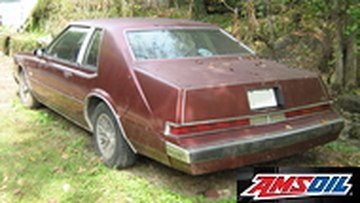
Lubrication Maintenance for the 1981 Chrysler IMPERIAL 5.2L
Maintaining a high-quality lubrication standard is a fundamental aspect of long-term vehicle stewardship. For an engine like the 5.2L found in the 1981 Chrysler IMPERIAL, consistent attention to fluid health and system integrity helps ensure the mechanical components continue to operate as intended. Proper maintenance involves more than just periodic changes; it requires a proactive approach to monitoring the condition of various engine-related components and understanding how different lubricants interact with aging hardware.
Monitoring Fluid Integrity and Potential Seepage
One of the most effective ways to monitor the health of an engine is through regular visual inspections. For owners of a 1981 Chrysler IMPERIAL, checking for signs of fluid movement around the engine block can provide early indications of where attention might be needed. Rather than assuming specific components are failing, it is more productive to look for evidence of seepage or active leaks.
When performing an inspection, focus on the following areas:
- Gasket and Seal Surfaces: Inspect various sealing surfaces for any signs of oil weeping or accumulation. Even minor seepage can indicate that a seal is beginning to lose its ability to contain fluids effectively.
- Drain Areas: Check the area around the oil drain plug and the surrounding pan surface to ensure there is no evidence of recent leakage from those points.
- External Component Connections: Look for any fluid traces near where various engine accessories or lines connect to the main engine assembly.
If you notice a change in the appearance of fluids—such as an unusual color, a strong odor, or a significant change in consistency—it warrants further investigation. These changes can be associated with many different factors, and a professional diagnosis is often necessary to determine the exact cause.
Managing Maintenance Records for Long-Term Ownership
For vehicles of this era, establishing a clear maintenance baseline is highly beneficial. If you have recently acquired a 1981 Chrysler IMPERIAL, or if you have owned it for many years, reviewing and organizing service history can help you prioritize future tasks. A well-documented history allows an owner to distinguish between routine preventive measures and necessary repairs based on actual service dates rather than mere guesswork.
If the previous service history is unknown, the best approach is to treat the vehicle as if it requires a baseline assessment. This involves performing a thorough inspection of all fluids and age-sensitive components to establish a current "starting point" for your maintenance schedule. Keeping detailed records of every oil change, filter replacement, and fluid inspection provides a roadmap for the vehicle's continued operation and can be an invaluable tool when deciding which maintenance tasks should take priority.
Observing Potential Engine Indicators
While many issues can be identified through visual inspection, some signs may only become apparent during vehicle operation. It is important to remain observant of how the engine behaves under different conditions. If you notice changes in how the engine sounds or operates, these symptoms should not be ignored, though they should not be immediately attributed to a single specific part without investigation.
Potential indicators that warrant closer attention include:
- Changes in Lubricant Consumption: If you find yourself needing to check and add oil more frequently than in the past, this change in consumption pattern should be investigated.
- Unusual Mechanical Noises: Any new or persistent sounds coming from the engine area can be associated with various mechanical conditions and should be evaluated by a technician.
- Warning Indicators: If any dashboard indicators related to engine health or fluid levels illuminate, immediate attention is required to prevent potential damage.
Remember that symptoms are often non-specific; for example, an unusual odor might indicate oil contacting a hot surface, but it does not automatically confirm the location of a leak. A systematic approach to troubleshooting is always more effective than jumping to conclusions.
Prioritizing Service as Components Age
As a vehicle ages, maintenance priorities often shift from simple interval-based changes to condition-based monitoring. For an owner of a 1981 Chrysler IMPERIAL, this means using the current physical state of the engine and its components to guide decision-making. Rather than replacing parts simply because they are old, focus on addressing active issues first.
Effective prioritization involves:
- Addressing Active Concerns: If an inspection reveals an active leak or a component showing signs of significant wear, these should be addressed before moving on to general preventive tasks.
- Monitoring Fluid Condition: Pay close attention to how fluids behave over time. A sudden change in the condition of the engine oil can be a signal that other maintenance needs are emerging.
- Inspecting Age-Sensitive Materials: Components made of rubber or specialized polymers, such as certain hoses or belts (if equipped), may show signs of deterioration like cracking or glazing. Inspecting these items helps prevent unexpected failures.
By focusing on the actual condition of the vehicle rather than relying solely on the age of the machine, you can manage maintenance more efficiently and effectively.
Practical Considerations for Engine Lubrication
The role of engine oil extends beyond simple lubrication. It is a critical component in managing the thermal environment within the engine and helping to control the buildup of deposits. Over time, even with regular changes, the chemical properties of oil can change due to heat and exposure to combustion byproducts. This makes the selection of an appropriate lubricant vital for maintaining engine cleanliness and reducing internal friction.
When considering different types of lubricants, it is helpful to understand the general differences between formulations:
- Conventional Oils: These are standard mineral-based oils that have been used for decades.
- Synthetic and Synthetic Blends: These formulations often provide different levels of thermal stability and resistance to oxidation compared to conventional options.
- High-Mileage Formulations: Some high-mileage oil formulations contain additives intended for use in aging engines, including seal-conditioning additives that may assist in maintaining the integrity of older gaskets and seals.
The goal is always to provide the engine with a lubricant that maintains its protective properties throughout the entire service interval.
Buying Engine Oil for your 1981 Chrysler IMPERIAL 5.2L
When you are ready to purchase new lubricant, the most important step is to ensure the product matches the specific requirements of your engine. For this 1981 Chrysler IMPERIAL 5.2L, do not rely on general automotive knowledge or assumptions based on the vehicle's age to select a grade. Instead, match the engine oil to the application-specific viscosity information already displayed on this page.
Before completing your purchase, follow these practical steps:
- Verify the Label: Always check the product packaging to ensure it meets the necessary quality standards and certifications required for your specific application.
- Consult the Application Data: Use the viscosity and specification details provided in the technical information section of this webpage to guide your selection.
- Consider Formulation Types: Depending on your engine's current condition and your maintenance goals, you may choose between conventional, synthetic blend, or full synthetic options, provided they align with the application-specific data shown above.
By strictly adhering to the information provided for your specific 5.2L engine, you ensure that the lubricant you select is appropriate for the mechanical requirements of your vehicle.